
Recently, Mango TV’s hit reality show The London Partner brought a Chinese beauty-and-care brand collection store to the streets of London for the first time. Six partners—Shang Wenjie, Zhang Yuxi, Li Jiaqi, Mika, Zhao Zhaoyi and Yan An—ran the YANLAB London store from scratch, with Amazon Ads accompanying the show throughout as the “brand going-global growth partner.”
Thanks to the partners’ joint efforts, the YANLAB London store got off to a flying start: opening-day revenue hit £12,970, breaking the previous season’s Paris record of £8,860, and revenue kept climbing over the following three days. As a brand-new name, YANLAB London pulled off a textbook cold start.
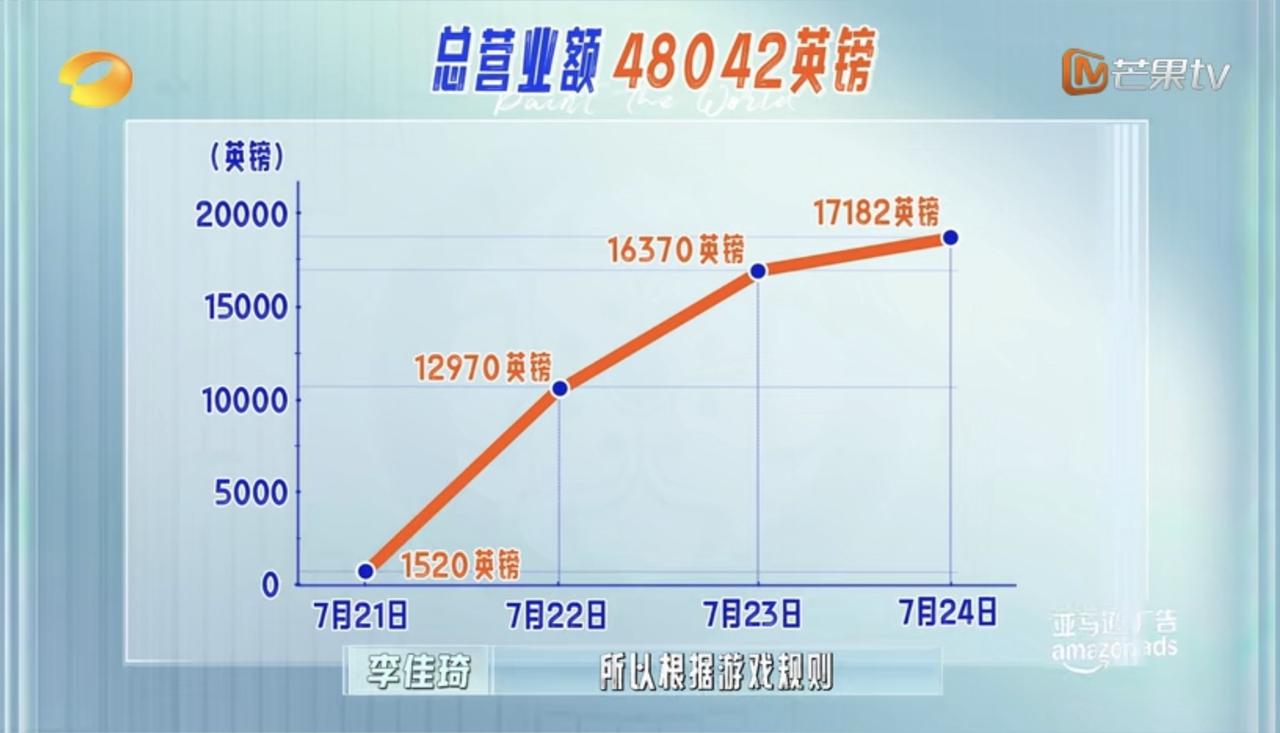
That said, the six celebrity partners clearly played a major role: star power, dense exposure and concentrated campaigns compressed the work of a new brand’s cold-start phase into the shortest possible time.
Against this strong performance, the show posed a new test: if the celebrity partners left, could YANLAB keep running on its own?
This challenge is not unique to YANLAB—almost every going-global brand goes through a similar moment: once the cold-start phase ends and growth begins, what keeps the brand growing when the surge of short-term external resources is gone?
Avoiding “peak at debut” starts with expanding the brand’s reach
Drawing on the lifecycle theory of internet products, a brand’s growth can be understood as a process of “growth-engine iteration.”
In the cold-start phase, survival depends heavily on external resources and traffic—capital ammunition, early seed users, or the initial dividends of platform channels. The core task of this stage is to use external momentum to complete 0-to-1 market validation. Growth at this point is essentially bought with resources.
Your browser does not support video playback.
For YANLAB, the six celebrity partners were among the most powerful external resources of this stage—star effect, dense exposure and concentrated campaigns built initial awareness among London consumers and accumulated a first batch of members as seed users. It was a highly efficient cold start, but a cold start with a time limit.
The show’s premise goes straight to the core question of brand globalization: you launch with great fanfare, achieve solid results—and then what?
When a brand crosses the survival line into the growth stage, the driving logic must shift from “external transfusion” to growth driven by the brand’s own value. Consumers no longer buy because they “saw” the brand, but because they “identify” with it. Repurchase and organic word-of-mouth replace paid acquisition as the main growth engine, and unit economics move into a positive cycle.

When the brand enters the maturity stage, the endgame is no longer a zero-sum fight for traffic but the continuous accumulation of brand value. When a brand rises to become the synonym of a category, or even a cultural symbol, that deep intangible asset forms the widest moat, supporting the brand through cycles and steady growth.

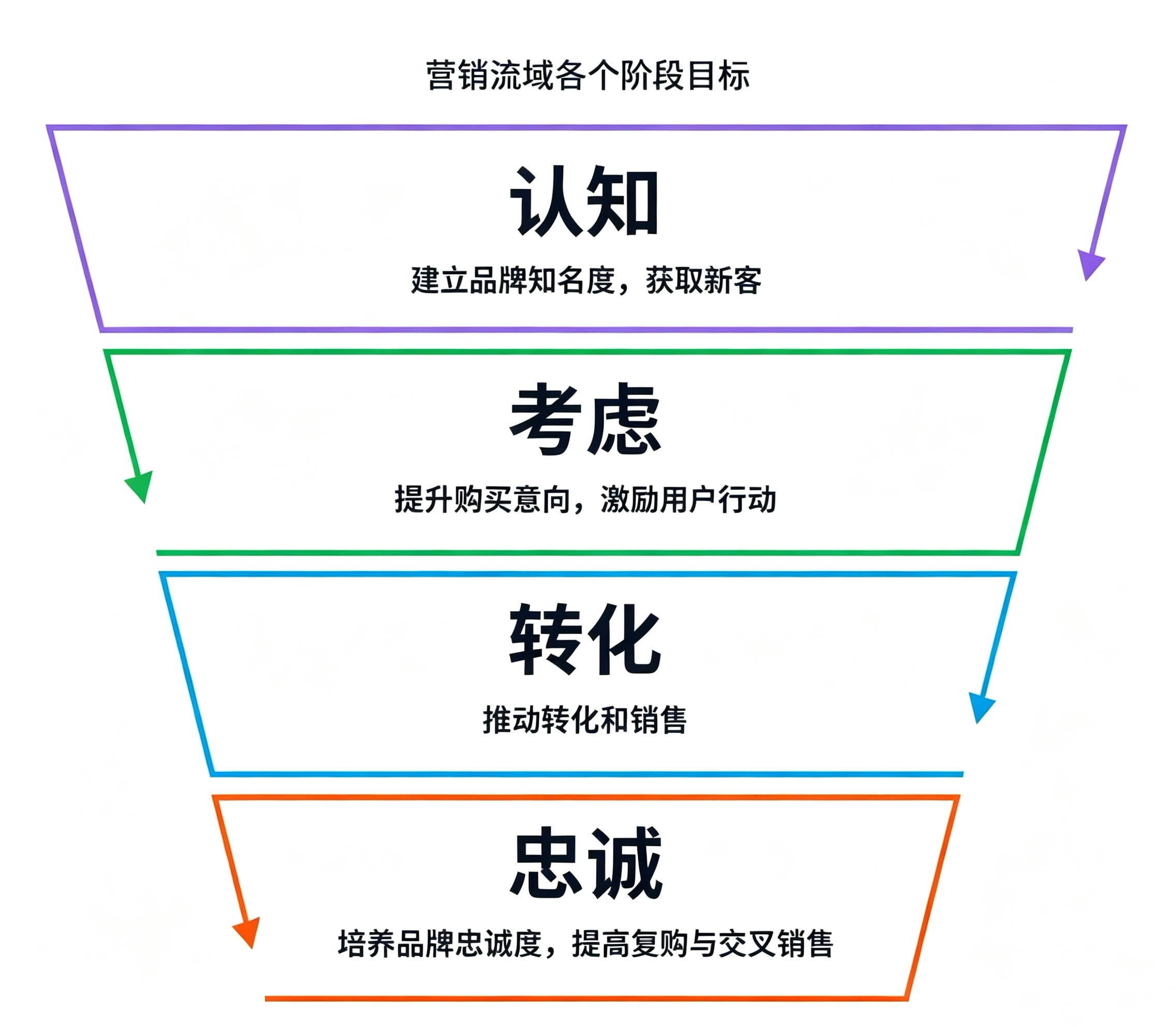
In these two stages, the brand’s core task shifts to embedding itself into the rich life scenarios beyond shopping, continuously building emotional connections and expanding its circle, and steadily growing the pool of potential consumers. Instead of waiting for consumers to pick you among thousands of brands while shopping, go to the scenes they know, deliver your brand value, and move step by step from “being seen” to “being remembered” and “being chosen.”
In the show, the partners went through exactly this shift in mindset.
As everyone realized that the traffic from celebrity glow could hardly sustain YANLAB’s long-term growth, Amazon Ads pointed to a concrete direction for expanding reach: in the London market, Gen Z is a customer group worth proactively reaching—they are the active consumption force of the current market and the group most willing to try new things and accept new brands.
But Gen Z does not buy lecture-style advertising. To reach them, you have to go where they hang out and communicate in the way they accept.
Twitch is precisely such an entry point for expanding reach. Unlike the one-way communication of traditional ad platforms, Twitch is a live-streaming community where young people gather and interact—110.5 million global monthly active users, 70% aged 18–34. In the live-streaming scenes they love, a brand’s presence feels more like “company” than “interruption.”
(Data source: Amazon Ads official website)
In the show, Amazon Ads directly provided the partners with Twitch creator resources, letting them contact creators themselves and, through authentic interactions in live streams, naturally bring YANLAB into the view of young London consumers.

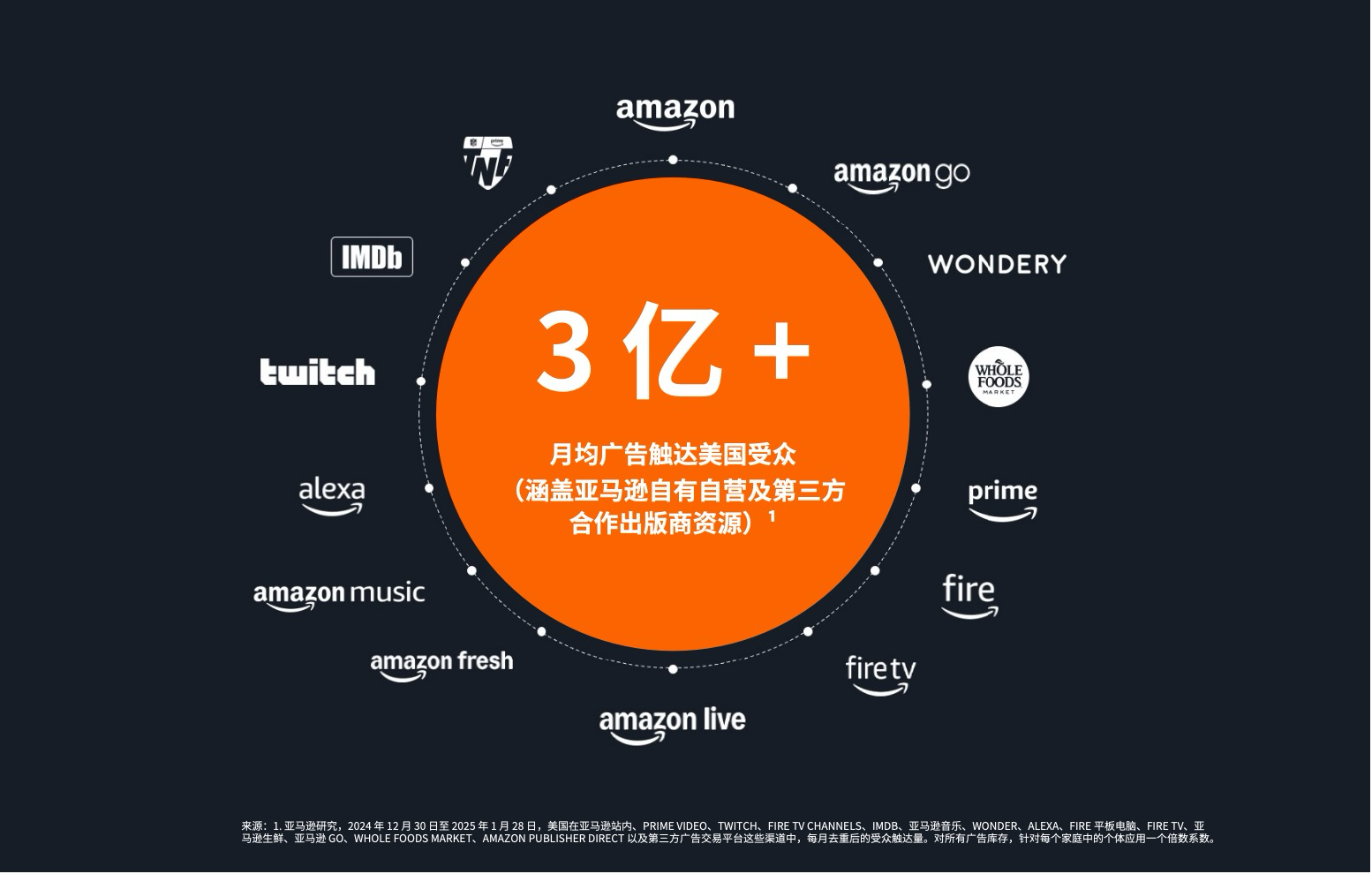
As part of Amazon Ads’ owned media matrix, Twitch, together with Prime Video, live sports, Fire TV Channels and other Amazon-owned channels plus thousands of premium third-party sites and apps, delivers full-scenario reach across news, entertainment, technology and lifestyle.
Why do most brands’ marketing strategies never last until the “brand dividend” pays off?
Many teams claim they want to build global brands, but very few actually become “brands.”
Most going-global brands fail right at the transition from cold start to growth stage.
The cold start is done, but the growth-stage engine is not ready. Brand advertising shows no short-term effect, so they dare not invest; large-scale, always-on customer acquisition is hard to make profitable and burns cash. The brand falls into a cycle of repeated consumption: a burst of intensive marketing creates a temporary peak, the campaign ends, and everything returns to square one. Every surge burns resources, every retreat burns morale, and in the end the brand never stands up—the “hype” accumulated in the cold-start phase goes quiet, and the product fades into a one-hit wave.
Brands that truly make it through the growth stage spend differently—they do not put all their money into buying users with existing demand, but dare to continuously cultivate a pool of potential consumers who have “no need today but likely will tomorrow.”
The case of going-global brand Ulanzi is worth referencing.
Ulanzi is a photography accessories brand. The expansion of its phone-mount series Lino on the Brazil site is one of the most tangible examples of brand-driven growth.
Ulanzi’s approach: treat content as a product. On the Latin American sites it prioritizes, it works with creators on long-term content operations, so creators keep mentioning Lino in real usage scenarios. Not a one-off placement, not a concentrated campaign burst—but, like product iteration, building brand awareness into the creator community’s daily routine, round after round.
Many viewers may not buy immediately after seeing the content. But one day, when they need a new phone mount, the first name that comes to mind may well be “Lino.” The Ulanzi team revealed that many Brazil-site users now search “Lino” directly when they need a phone mount, instead of searching category keywords.
The budget spent on content is actually building brand assets—assets that pay off in the most direct way at the very moment a consumer’s need arises.
“The direction sounds right, but how do I know it’s worth doing?”
Everyone understands the logic; the real sticking point is that brand advertising has been hard to quantify, making brands cautious about investing at the front end of the consumer journey. Traditional attribution only looks at “did the customer order within 14 days?”—the contribution of “saw the ad, remembered it, bought three months later” is cut off and attributed to organic visits, so brand-ad ROI always looks worse than performance ads.
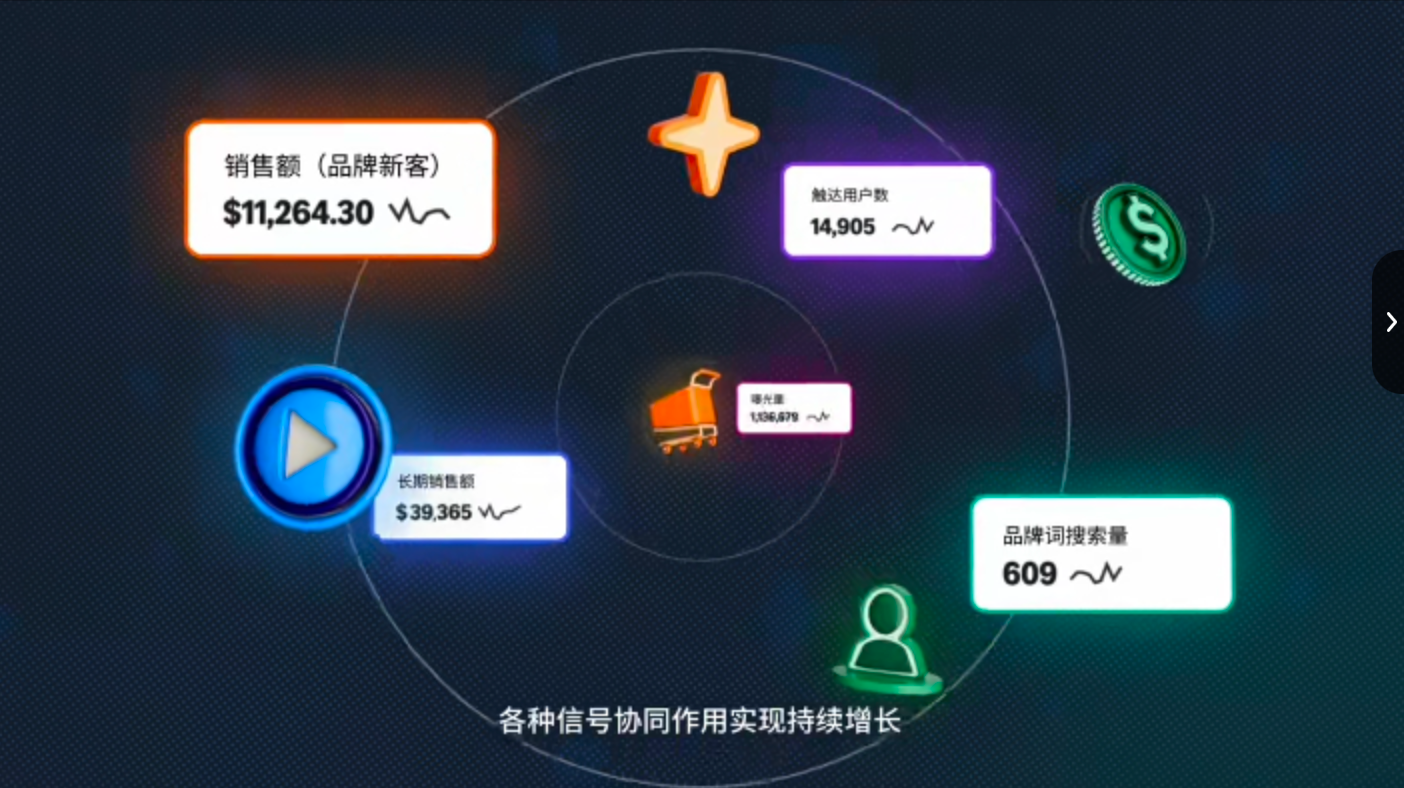
Now Amazon Ads’ full-funnel marketing offers a visible solution. The full-funnel approach covers the entire journey from awareness to choice, and because Amazon Ads holds signals on both the advertising side and the retail side, it can fully link “ad exposure” with “subsequent purchase behavior,” making the approach measurable—and making the contribution of consumers who “saw the ad today and bought months later” visible.
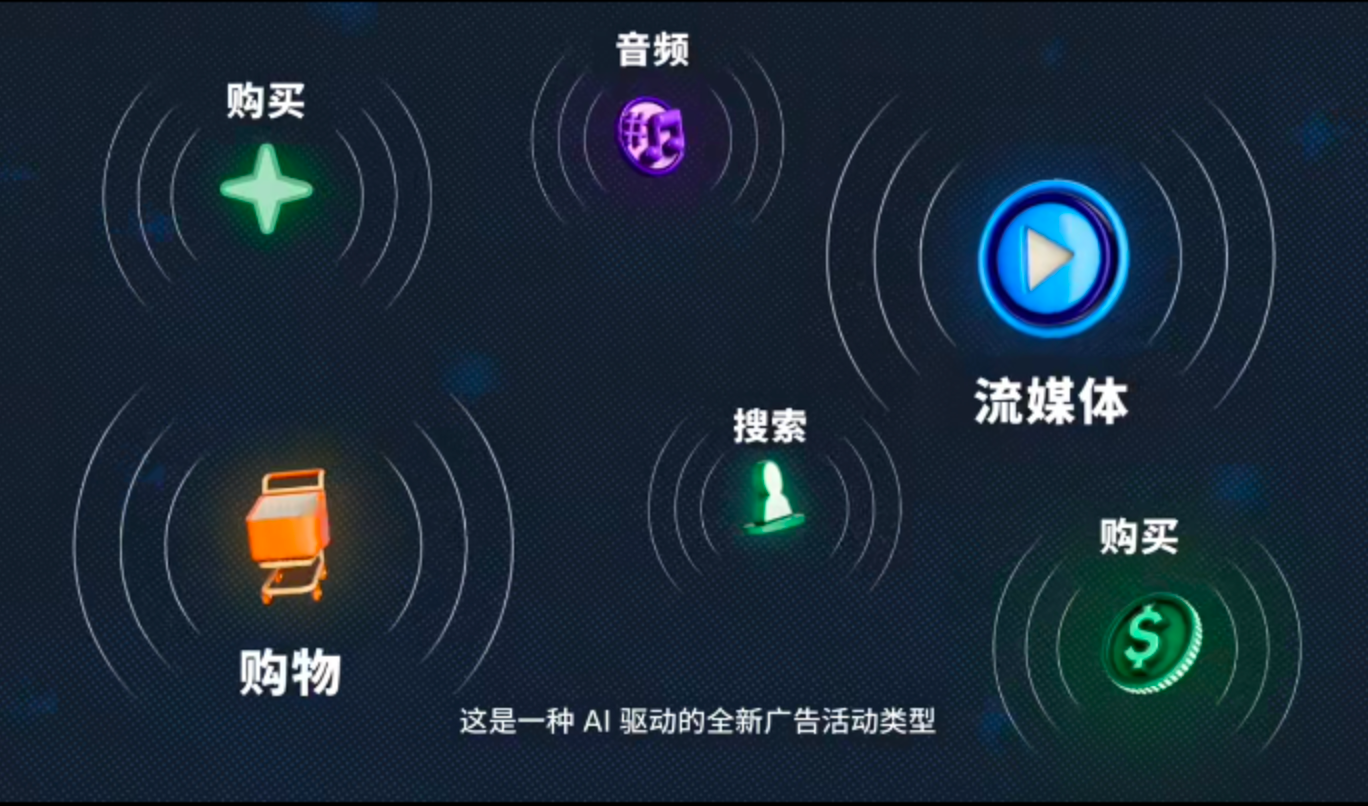
Behind this “visibility”, AI is doing the optimization. For example, for sellers targeting the US market, Amazon Ads’ newly launched full-funnel campaigns can combine search ads, display ads, video ads and streaming TV ads into a single AI-optimized campaign. Full-funnel campaigns use a daily budget (minimum $100/day), and Amazon’s AI allocates it across ad formats in real time to drive new-customer growth and long-term sales growth. Compared with independently configured campaigns, full-funnel campaigns deliver an average of 67% higher long-term ROAS and a 29% lower cost per new-to-brand (NTB) customer. [1]
A brand is both a “result” and a “process”
Most brands already recognize the importance of brand value, but whether brand building can continue comes down to “whether the returns are visible.”
When long-term returns become measurable, the full journey from “awareness” to “purchase” closes into a loop, and every layer of investment can be seen and verified, brands gain the confidence to invest long-term. That is exactly the value of Amazon Ads’ full-funnel marketing.
“Brand” is both the result of effort and the path of building it. In the going-global 3.0 era, as solutions mature, the journey of brand globalization will fundamentally change.
References:
[1] Amazon Research, June to August 2026, US marketplace. Based on full-funnel campaigns versus the average performance of other campaigns by advertisers using the beta; data from early beta advertisers, individual results may vary.