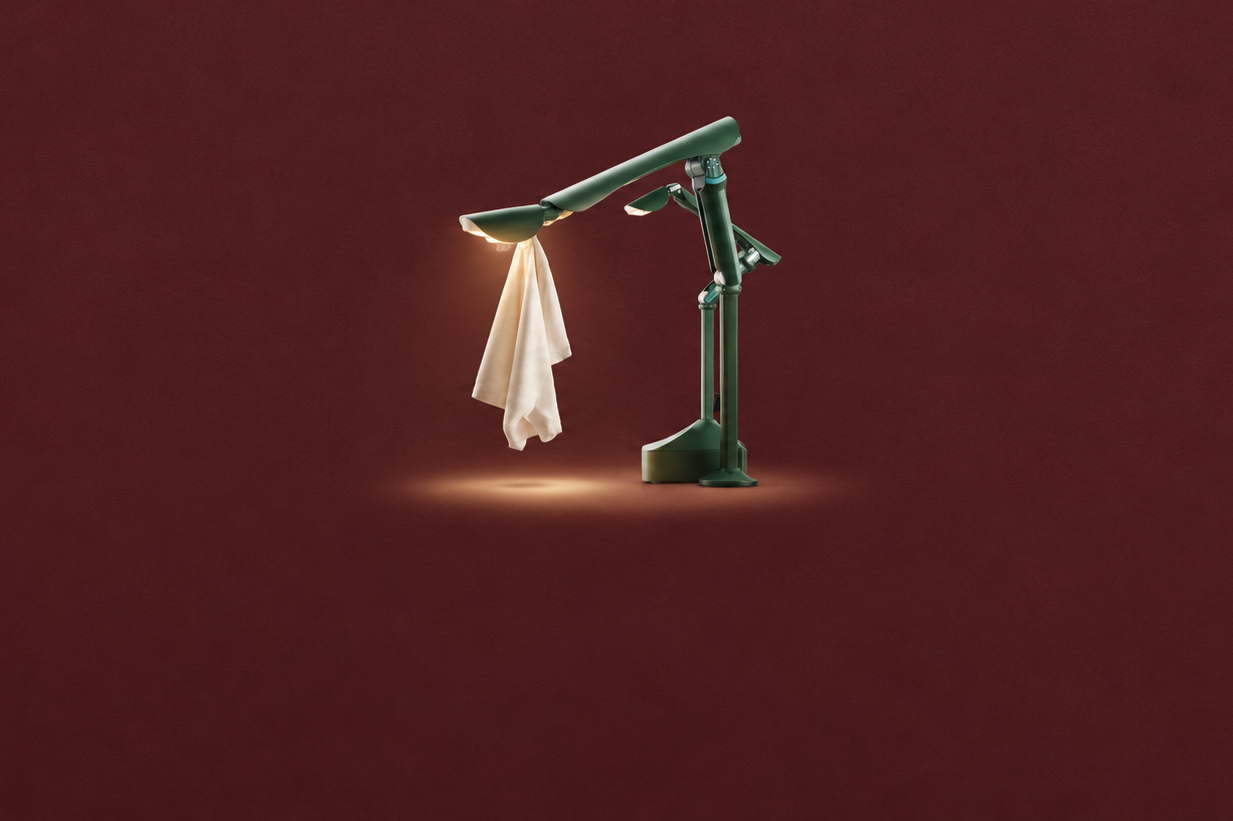
Original title: a16z backed a lamp that folds clothes — the "furniture-mimicry" robot raises an $11 million pre-seed round
Author: AING Hard Tech
Source: AING Hard Tech
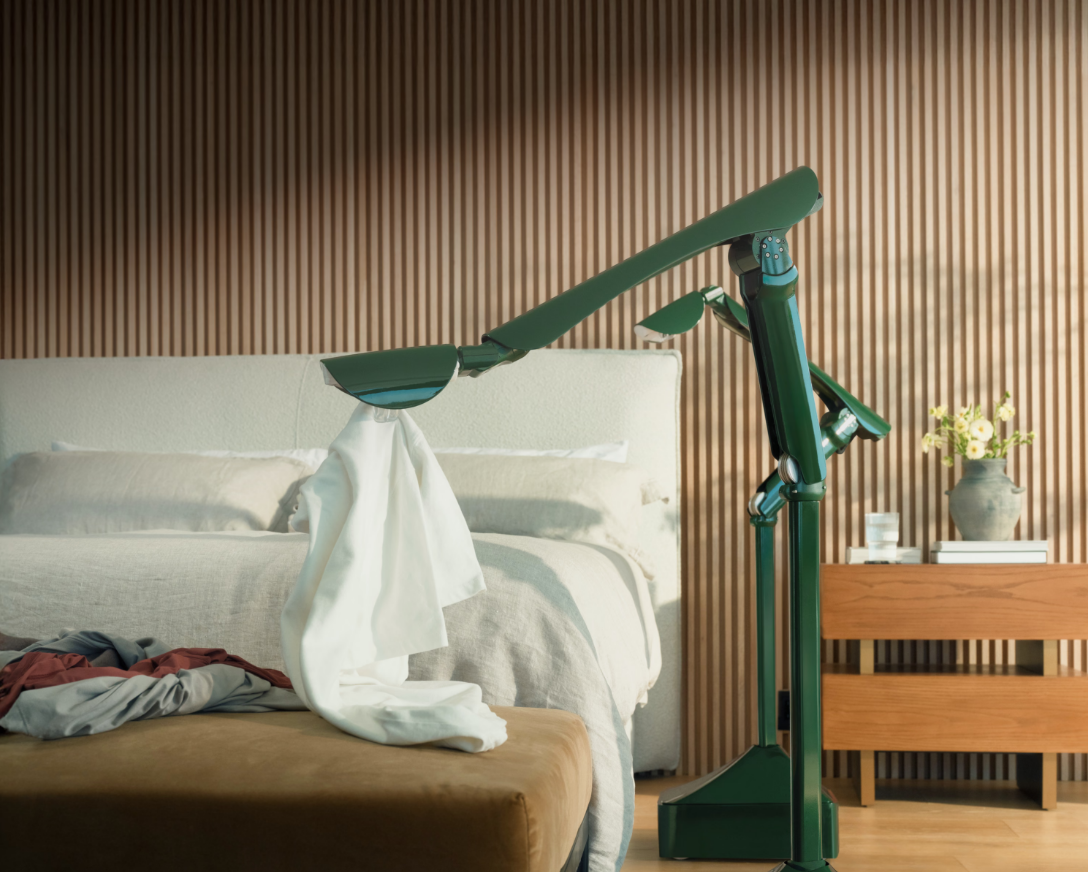
Startup SYNCERE has announced an $11 million pre-seed round, led by a16z's accelerator Speedrun. The funding will accelerate delivery of its first product, LUME, expand manufacturing capacity and advance physical AI for the home. LUME was previously named to TIME's Best Inventions 2026, and SYNCERE describes its own mission as "bringing home robots to the mass market."
1. Hiding a robot inside a lamp
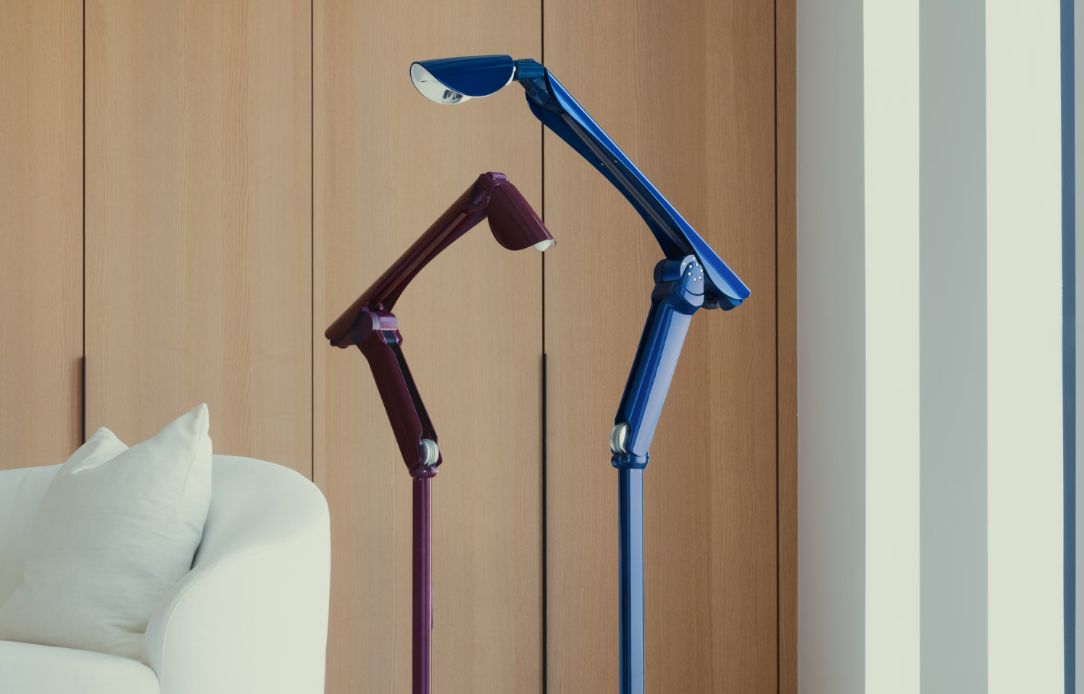
Its first product, LUME, is positioned as "a robot that does housework."Day to day LUME looks like an ordinary floor lamp; when needed it extends a pair of robotic arms to fold laundry and handle other chores, then folds back into a lamp — acting as a piece of furniture that belongs in the home in the first place.
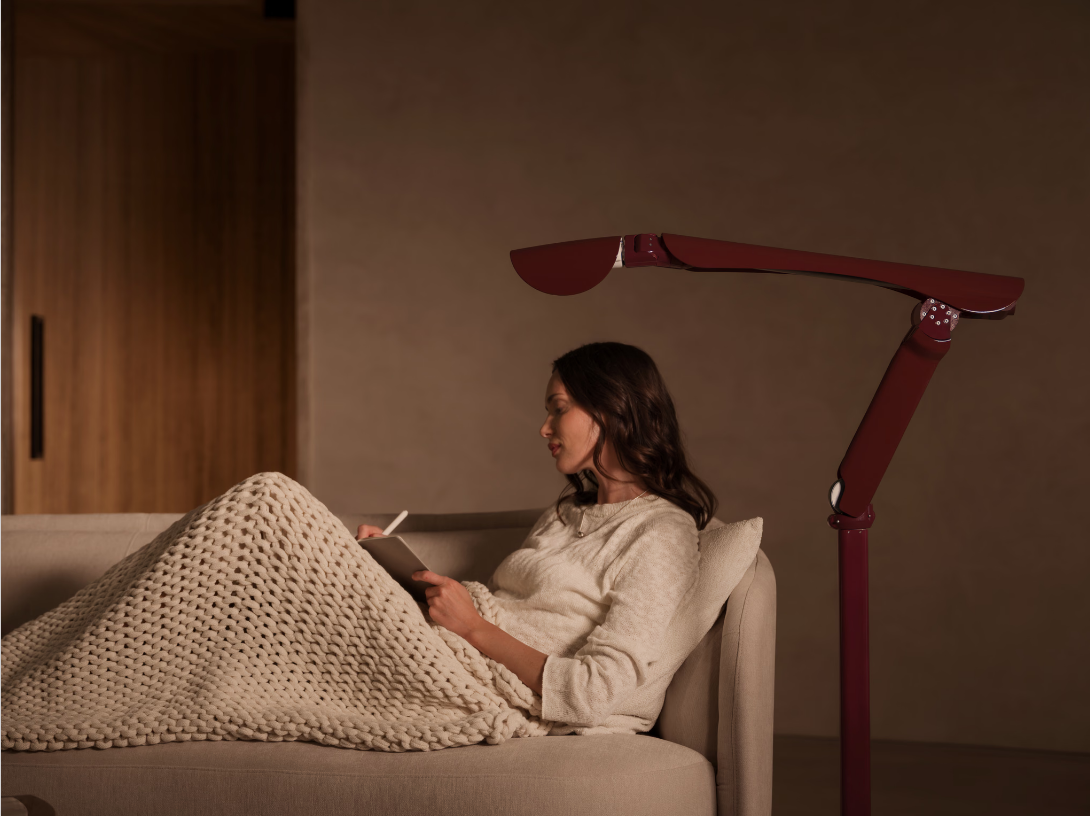
Stowed, LUME measures roughly 11 x 15 x 45 inches, occupying about the same footprint as a standard floor lamp. The body provides both reading and ambient lighting; once woken it deploys a six-axis robotic arm and a bionic gripper, reportedly running an NVIDIA Jetson Orin-class chip on a wheeled base.
Today's task list is short and specific: folding clothes, making the bed, tidying pillows and "picking up scattered items around the room."A longer list unlocks through app updates, including gift wrapping, ironing, meal preparation and even massage and health-check tasks, all with the hardware unchanged.
Home robots have long been trapped in a loop: models need real household data to be reliable, yet a product that is not reliable enough cannot get into homes — and without homes there is not enough real data.
LUME's answer is to design the "sales channel" and the "learning system" as one and the same thing: first enter homes as a lamp with aesthetic value, clear functionality and a price far below humanoids; the machine then runs in real floor plans, with real laundry and real household routines, continuously feeding back long-tail scenarios; software updates finally teach the same hardware new chores. SYNCERE's logic is that users are not buying "a robot for today" but a piece of home infrastructure that becomes more useful over time.
SYNCERE gives users a personalized wristband: wearing it while folding clothes lets LUME learn the user's folding habits through its sensors. Users can teach LUME how they want certain tasks done, and the team is developing an onboarding flow so the robot learns household preferences and adapts to different layouts.
Safety, too, is written into the structure.Compliant motor control, 360-degree sensing, fabric-wrapped joints that eliminate pinch points, and a mechanical shutter that covers the sensors when the unit is idle. Operation locks down whenever a person or pet enters the working radius, and the work area is restricted to only the laundry to be handled before a run begins.
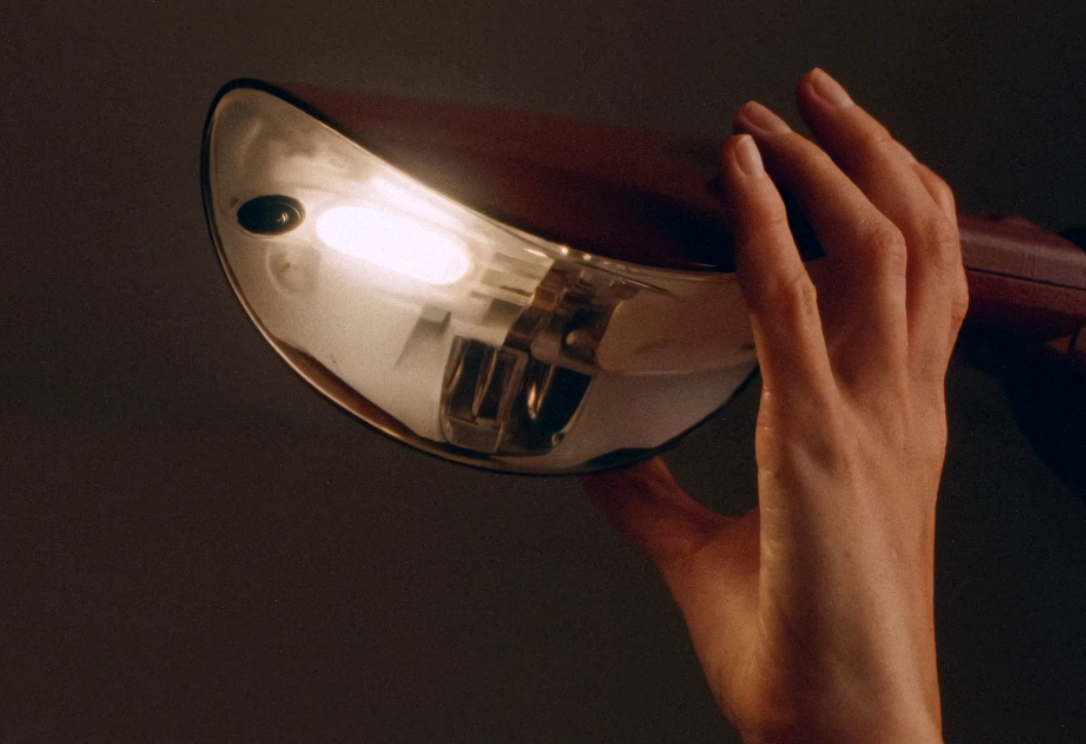
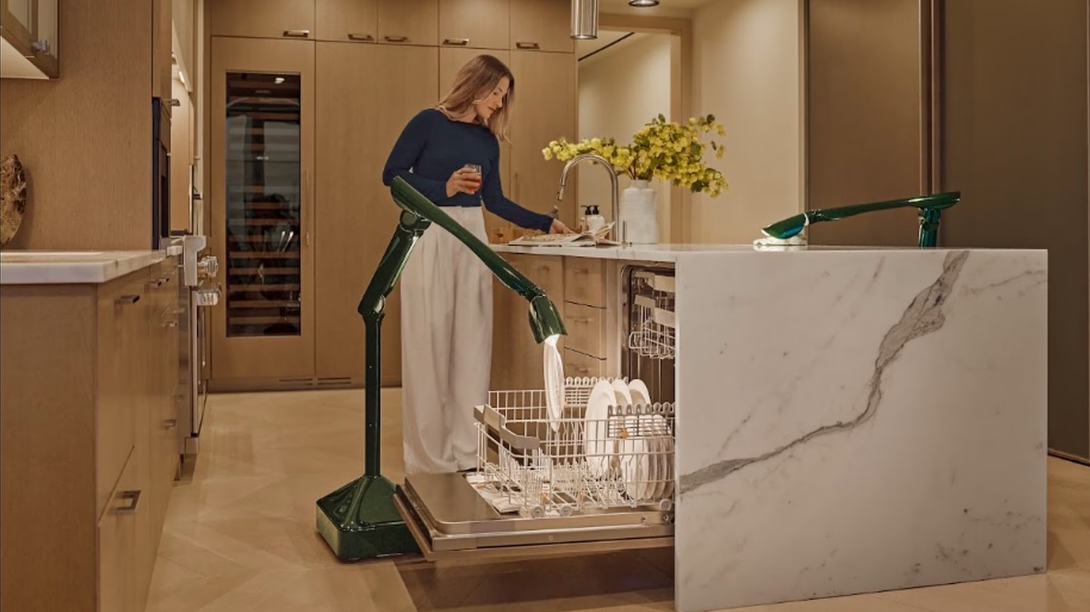
SYNCERE believes users only need to see the result, and that LUME's reference point is not a humanoid robot but a dishwasher, which has its own place in the home, acts only when needed and never intervenes on its own.
LUME is priced at $2,699 for a single unit and $5,199 for a two-unit set, plus a $79 monthly subscription or a one-time $679 payment for software updates and new task permissions. First deliveries are expected in the first quarter of 2027.
2. Abandoning the humanoid route
SYNCERE's two founders are doctoral classmates from the University of Toronto, where they studied how robots can coexist safely and acceptably with humans at Professor Goldie Nejat's Autonomous Systems and Biomechatronics Laboratory.
The two initially built humanoid robots, but after deploying early prototypes in homes and hotels the feedback was remarkably consistent: existing home robots are "too bulky and too intrusive."
The turning point came from an animated film.While watching Beauty and the Beast with his wife, Tan saw the furniture in the castle come alive, and the inverted idea it gave him was: do not force a humanoid robot into the home; start from something that already belongs to the home and work backwards to the robot's form.
That produced LUME: a floor lamp that unfolds its arms when woken by voice or app, folds the clothes on the bed, makes the bed, then returns to being a lamp.
The core of this approach: the home is an "unstructured" environment with people and pets coexisting and no boundaries between scenes, so fix the robot in one place and "structure" the problem instead.
The team comes from robotics programs at Stanford, the University of Toronto and Berkeley, with hardware and design experience at Tesla, Nuro, AMD and Apple. This "design-led rather than biomimicry-led" configuration also shows up in LUME's product logic.
3. The "mass market" question
The hard part of folding clothes was never the "folding" itself, but handling infinitely deformable soft objects.Many general-purpose robots already on the market have made this task autonomous.
At the same time, the humanoid route is at a peak of attention: 1X's Neo collects a monthly subscription, and Tesla Optimus and Figure have written "general housework" into their roadmaps.
But SYNCERE says it is not pursuing general intelligence; it will first do folding, bed-making and tidying well,trading a "furniture-first" form factor for a deployment window.
Over the past two decades the only service robot that truly entered mass households has been the robot vacuum. SYNCERE founder Tan says: "We do not want to give people more technology, we want to give them more time." Whether a single-task route is the breakthrough point for home-robot differentiation is something we will keep watching.