Original title: Commission rates jump 3.24 points overnight — can TikTok Shop beauty sellers in Malaysia still make money?
Author: Yenai
Source: Tuke Chuhai

Image source | pexels
A recent commission adjustment notice from TikTok Shop Malaysia has stirred quite a stir among cross-border sellers and local merchants.
According to the official rules, effective from midnight on October 31, commission rates for skincare and personal care categories will rise to 14.04%, while color cosmetics and fragrance categories will be adjusted to 14.58% — both by the same 3.24 percentage points.
In contrast, five categories — baby feeding supplies, medical consumables, feminine hygiene products, nasal and oral cleaning products, and over-the-counter drugs — actually saw rate cuts, with reductions ranging from 1.84 to 2.92 percentage points.
Between the raises and the cuts, the platform's intentions are telling, while beauty sellers have no choice but to confront changes in their cost structure.
Rising beauty commissions: who bears the pressure?
The most directly affected group in this adjustment is undoubtedly beauty-category sellers.
A 3.24-percentage-point increase may seem small, but against a backdrop of fierce competition and uneven margins in the beauty industry, this extra expense is enough to shift the break-even point for many small and mid-sized sellers.
Especially for color cosmetics and fragrance categories, where commission rates reach 14.58% — already close to more than 30% of some sellers' net margins. For stores that rely on low prices and high volume, the pressure is even more visible.
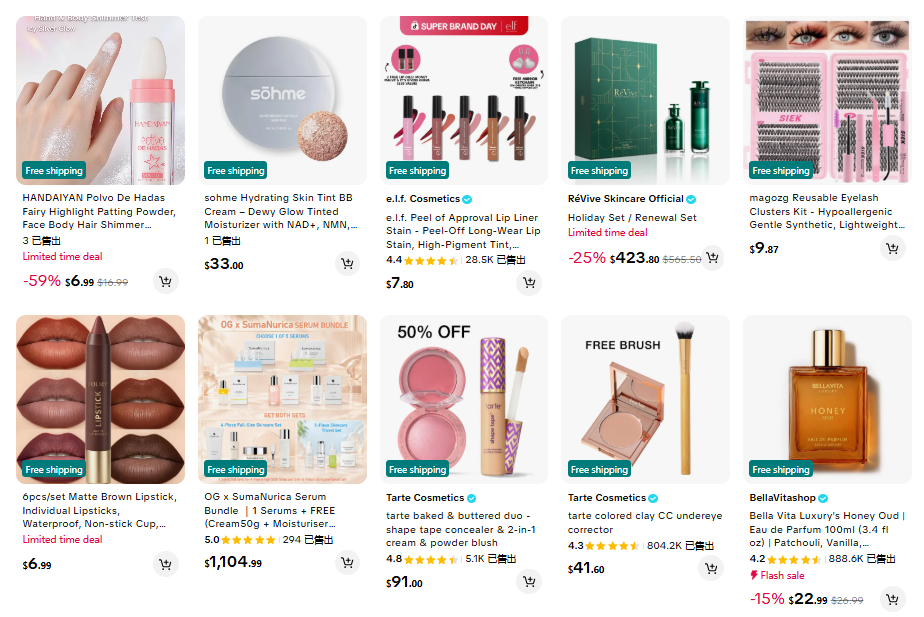
Image source: TikTok Shop
Notably, sellers enrolled in the BXP incentive program still pay lower commissions than their non-participating peers — but this round of adjustments has not spared them either.
Take the women’s apparel category: BXP sellers saw commissions rise by 2.48 percentage points, while non-BXP sellers increased by only 0.33 points. BXP sellers also have to bear an additional separate fee of 4.86%.
This means that while the platform pushes sellers to join incentive programs, it is also gradually tightening the overall rate headroom. For beauty BXP sellers, the compounded cost increase requires more refined operations to absorb.
Why is the platform raising some rates while cutting others?
From the platform’s perspective, this commission adjustment is not simply a revenue-boosting move. The company has stated that the extra income will be funneled into several directions:
Issuing shipping vouchers to consumers, providing free economy delivery for East Malaysia, and sharing discount costs during major promotions; in addition, this year it has earmarked RM250 million specifically to support local sellers.
In other words, the extra commissions paid by the beauty category are being converted by the platform into logistics subsidies and promotional resources to drive overall transaction activity.
Meanwhile, the downward adjustments for five categories such as maternal and baby products and medical consumables reflect the platform’s tilt toward daily-necessity categories. It shows the platform using pricing levers to steer supply toward specific categories, while using high-margin segments like beauty to feed ecosystem development.
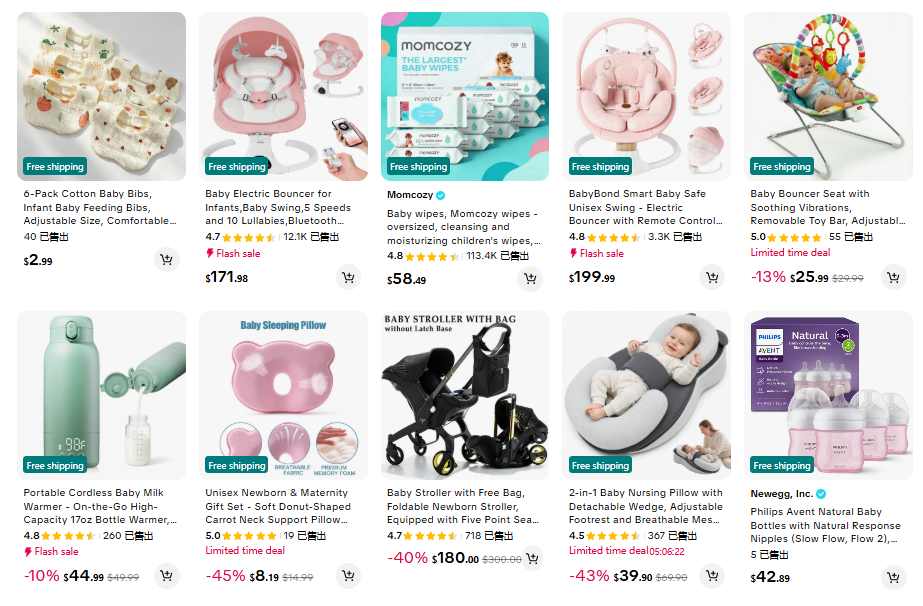
Image source: TikTok Shop
From passive pressure to proactive adjustment
Facing higher commissions, beauty sellers are not limited to passively accepting them. Recalculating the pricing model is the priority. The 3.24-percentage-point increase needs to be broken down into the cost structure of every order — factoring in logistics, packaging, and influencer commissions — to determine which SKUs still have room to adjust prices and which require supply-chain optimization to cut costs.
Second, product mix strategy deserves a fresh look. High-ticket beauty gift boxes and bundle sets can effectively dilute the commission ratio, while low-margin traffic-driving items need to be kept in check to avoid selling more and losing more.
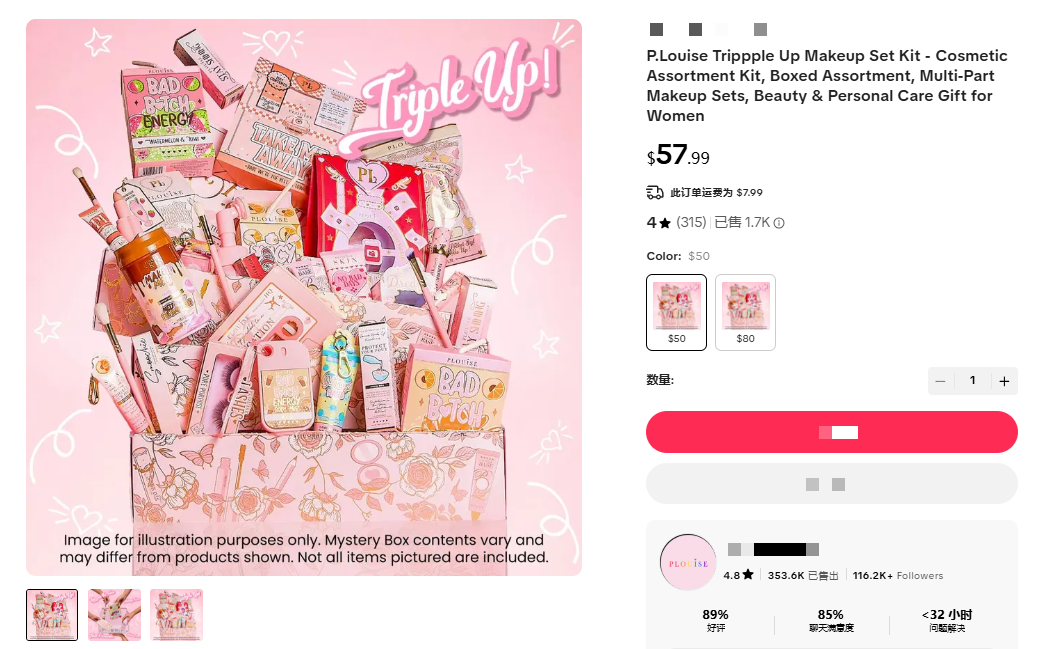
Image source: TikTok Shop
Furthermore, the value of participating in the BXP incentive program needs to be re-evaluated. Sellers should weigh their traffic-acquisition capabilities, influencer partnerships, and promotion participation frequency to judge whether BXP's exposure and conversion gains are enough to cover the extra fees.
Closing thoughts
This commission adjustment at TikTok Shop Malaysia, on the surface a one-way rate increase for the beauty category, actually reflects the platform’s balancing act among logistics infrastructure, category support, and ecosystem incentives.
What sellers need to do is find their position amid the changing cost structure, converting the pressure of higher commissions into momentum for operational upgrades through fine-tuned product mixes, pricing strategies, and traffic operations.
After all, on a platform that keeps growing, those who survive and thrive are always the ones who react fastest to rule changes.